 Ask Millie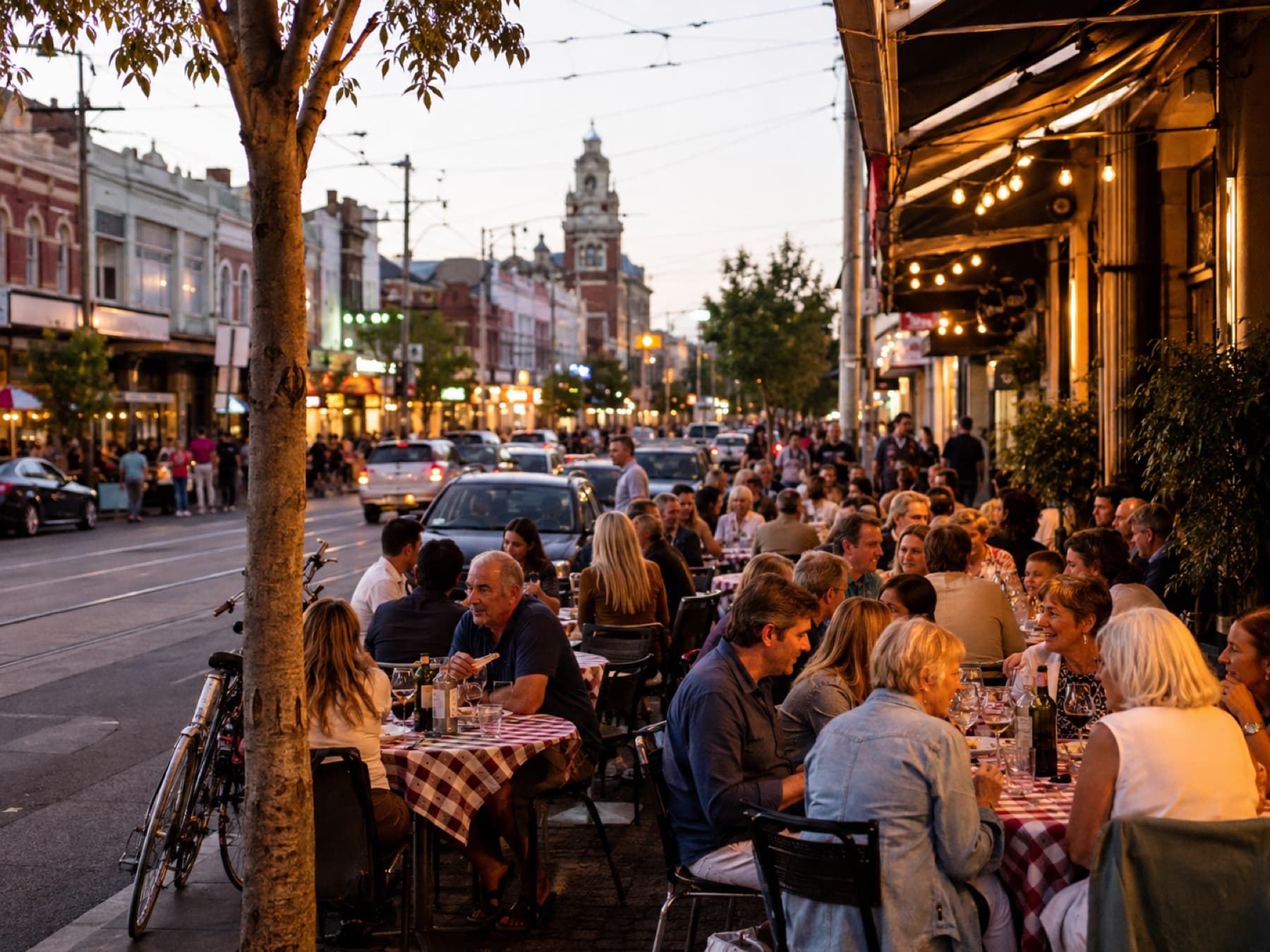
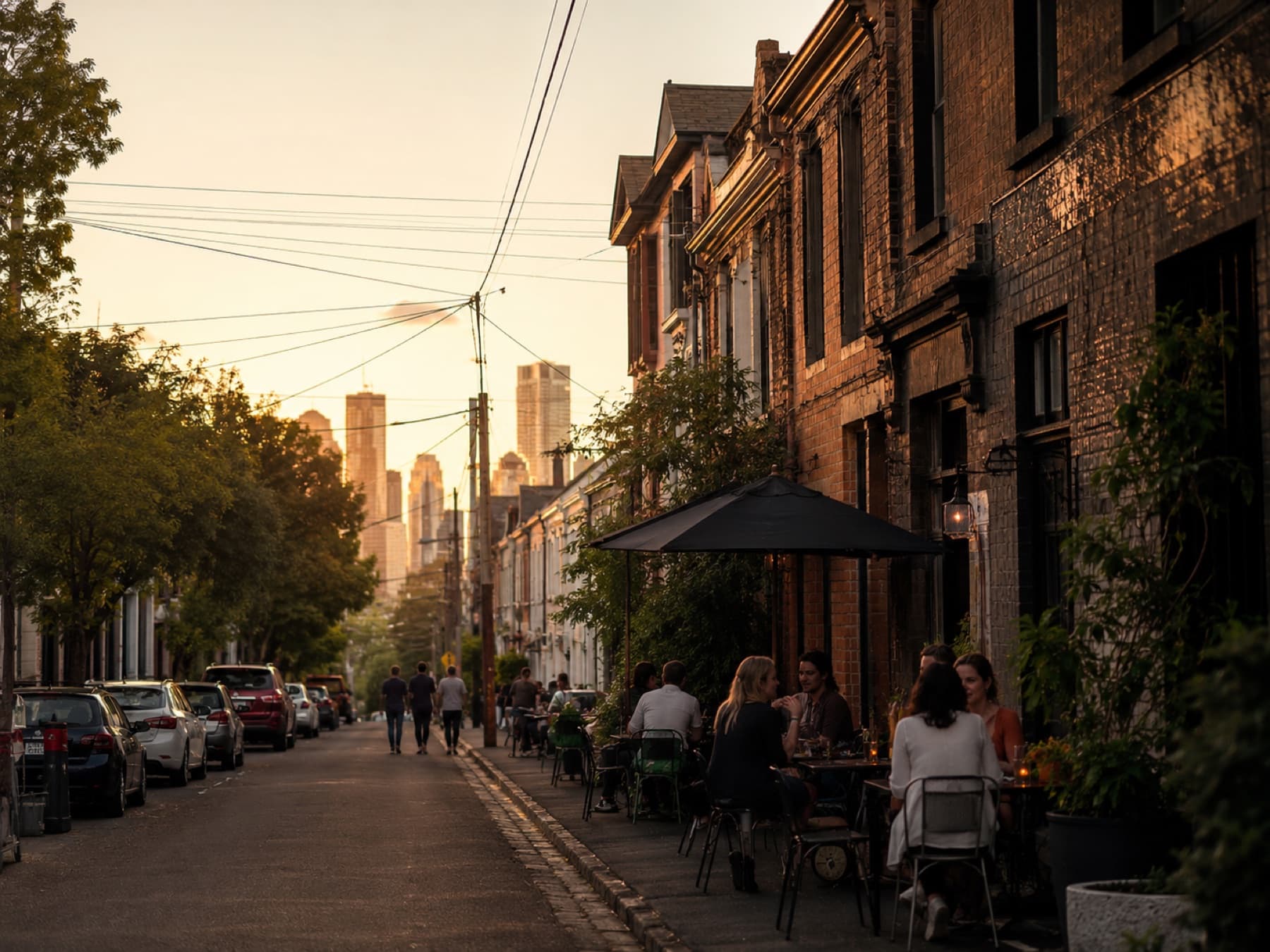
Where Melbourne learned to sit outside.
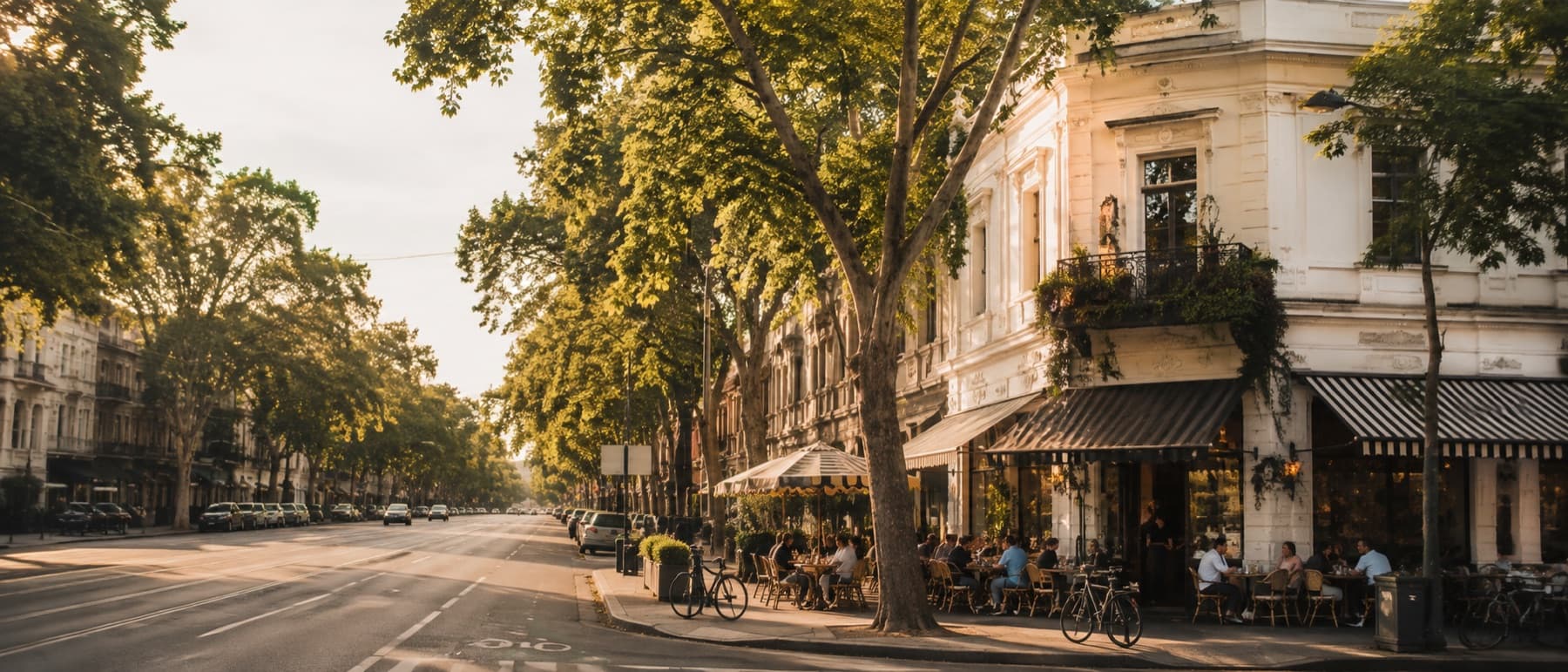
Before Carlton, Melbourne ate indoors, quickly, and mostly in beige. Lygon Street is where that ended.
The story is told so often it has worn smooth, but it's true: in the years after the war, Italian families arrived in Carlton in their thousands, bolted espresso machines to counters that had only ever known tea, dragged tables onto the footpath, and waited for the city to catch up. It took a while. Then it never stopped. The flat white you ordered this morning, wherever you ordered it, traces its family tree back to a few stubborn blocks between Grattan and Elgin Streets.
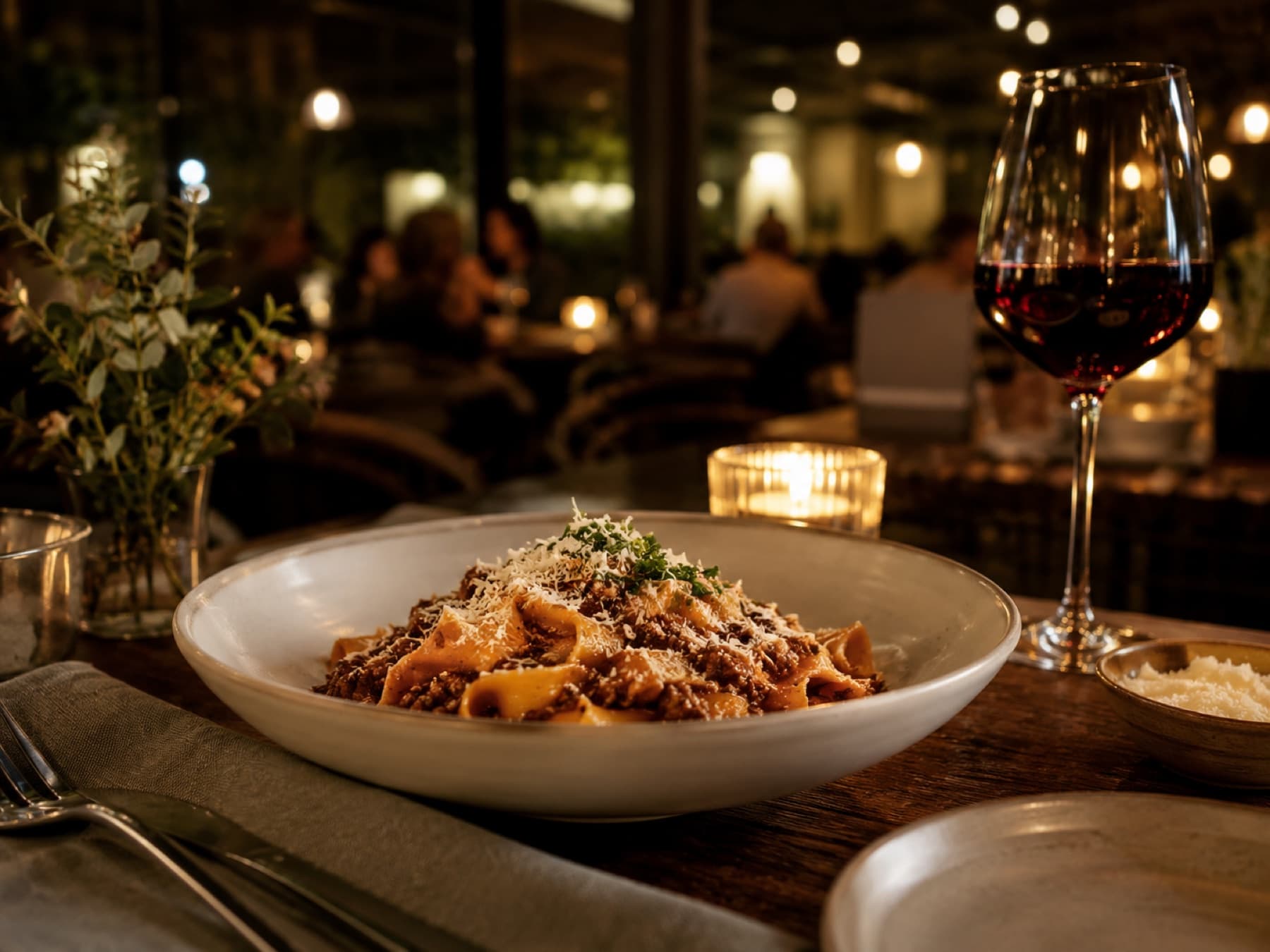
Be honest with yourself about modern Lygon Street, though. The middle stretch — the one with the laminated menus and the man out the front asking if you like pasta — is a museum of the idea rather than the idea itself. The real thing survives at the edges. Brunetti Classico has been doing Roman-style pasticceria on Lygon since 1985, all marble and mosaic and cabinets of cannoli, and it remains the correct place to stand with a short black and a sweet thing at any hour you can justify it. A block over on Drummond Street, DOC Pizza & Mozzarella Bar treats buffalo mozzarella with the seriousness other establishments reserve for wine, and is the modern answer to the question the street first asked: what if dinner were simply good ingredients, barely interfered with?
The trick with Carlton is to eat where the Italian grandmothers would actually eat, drink coffee standing up at least once, and remember that the whole precinct works because the University of Melbourne sits just over Swanston Street, feeding it a permanent tide of students, academics and people carrying too many books. Which brings us to the books.
A gold-rush dome and the long lawns.
Walk east from Lygon Street and Carlton opens out into Carlton Gardens — proper Victorian-era gardens, fountains and avenues of plane trees, with the Royal Exhibition Building rising out of the middle of it like something Melbourne dreamed during the gold rush and never quite woke up from. It was built in 1880, hosted the first Australian Parliament in 1901, and is World Heritage listed, which is a rare thing for a building this city still casually uses for exam sittings and flower shows.
Across the lawn, Melbourne Museum is the modern counterweight — the forest gallery, the Bunjilaka First Peoples galleries, the dinosaurs that every Melbourne childhood passes through at some point. The pairing matters: a nineteenth-century dome and a glass museum staring at each other across the grass is the whole Carlton argument in one view. Old world, new world, shared lawn. On a fine day, the gardens are the pause between coffee and everything else. On a wet one, the museum is two hours of shelter you won't resent.
Books, film, and a back-lane theatre.
Carlton's second inheritance, after the espresso machine, is the life of the mind on a student budget. The university supplies the readers; the street supplies the rooms. Three of them matter more than the rest, and all three are cultural institutions wearing the modest clothes of local businesses.
Carlton is where the city learned its habits. Brunswick is where it stopped performing them.
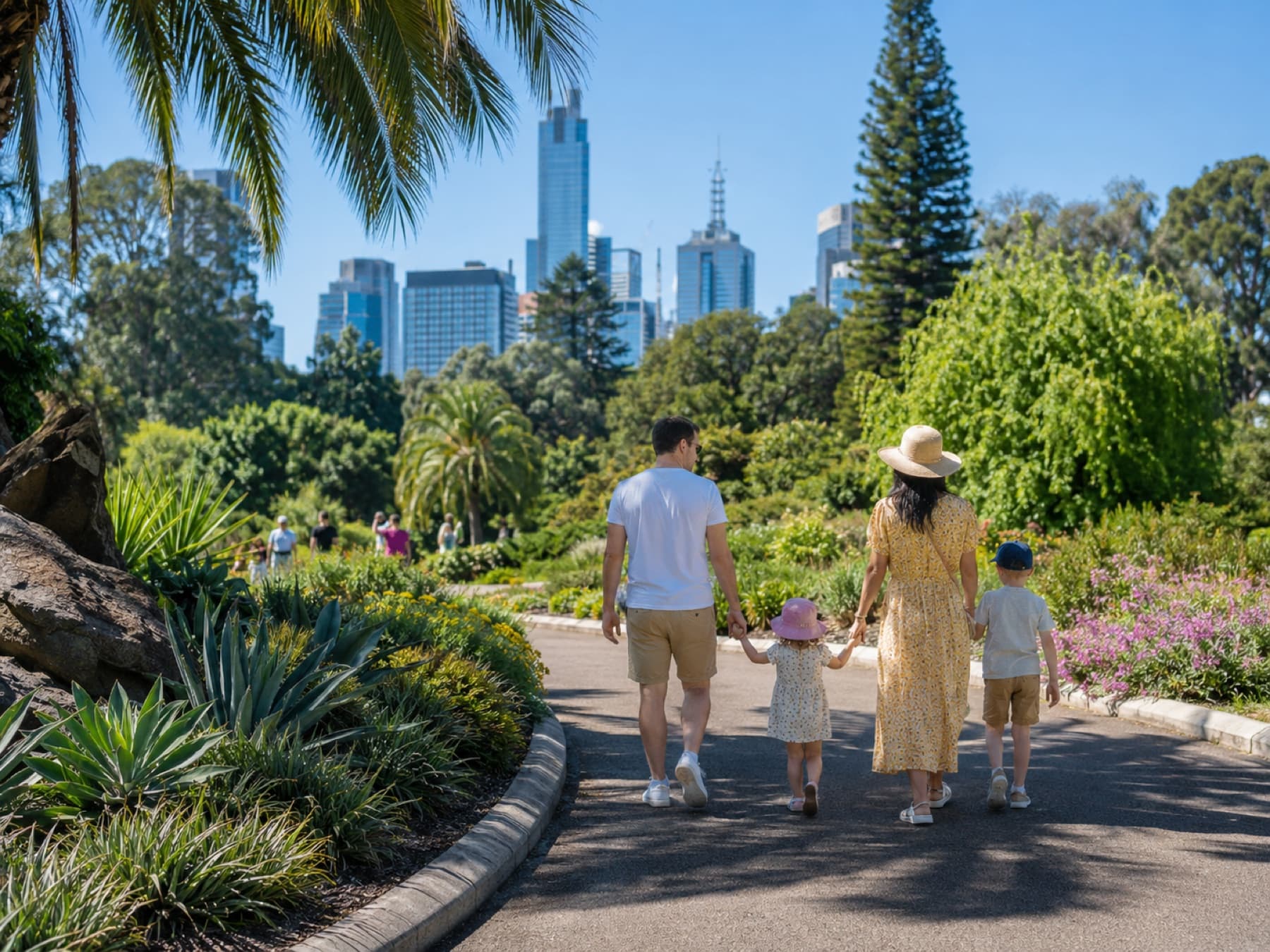
Past Princes Park, the city changes key.
Here is the part most guides miss: Carlton doesn't end so much as hand over. Keep moving north — up Lygon past the cemetery, or up Royal Parade under the elms with Princes Park running green on your left — and the terraces loosen, the rents drop a notch, and the Italian story quietly becomes a Lebanese, Greek, Turkish and everything-else story. The border is soft. One block you're passing a pasticceria, a few blocks later it's a Lebanese bakery with a queue of tradies, students and grandmothers that has formed every morning for thirty years.
This is the handover from Carlton to Brunswick, and from Lygon Street's polished myth to Sydney Road — the long, unglamorous, genuinely loved strip that locals never stopped using. Where Lygon performs its history, Sydney Road just gets on with it.
Moving north, without thinking about it: trams 1 and 6 run up Lygon Street itself into East Brunswick; tram 19 takes Royal Parade and then the full length of Sydney Road. The Upfield train line shadows Sydney Road a block to the west — Jewell, Brunswick and Anstey stations each drop you into a different stretch of the strip, and any of them gets you back to the city in fifteen minutes when the night ends. You never need a car for any version of this day, and on a Saturday you genuinely don't want one.
The longer, messier, better-fed mile.
Sydney Road is what a migrant food street looks like when nobody curates it. That is the entire appeal.
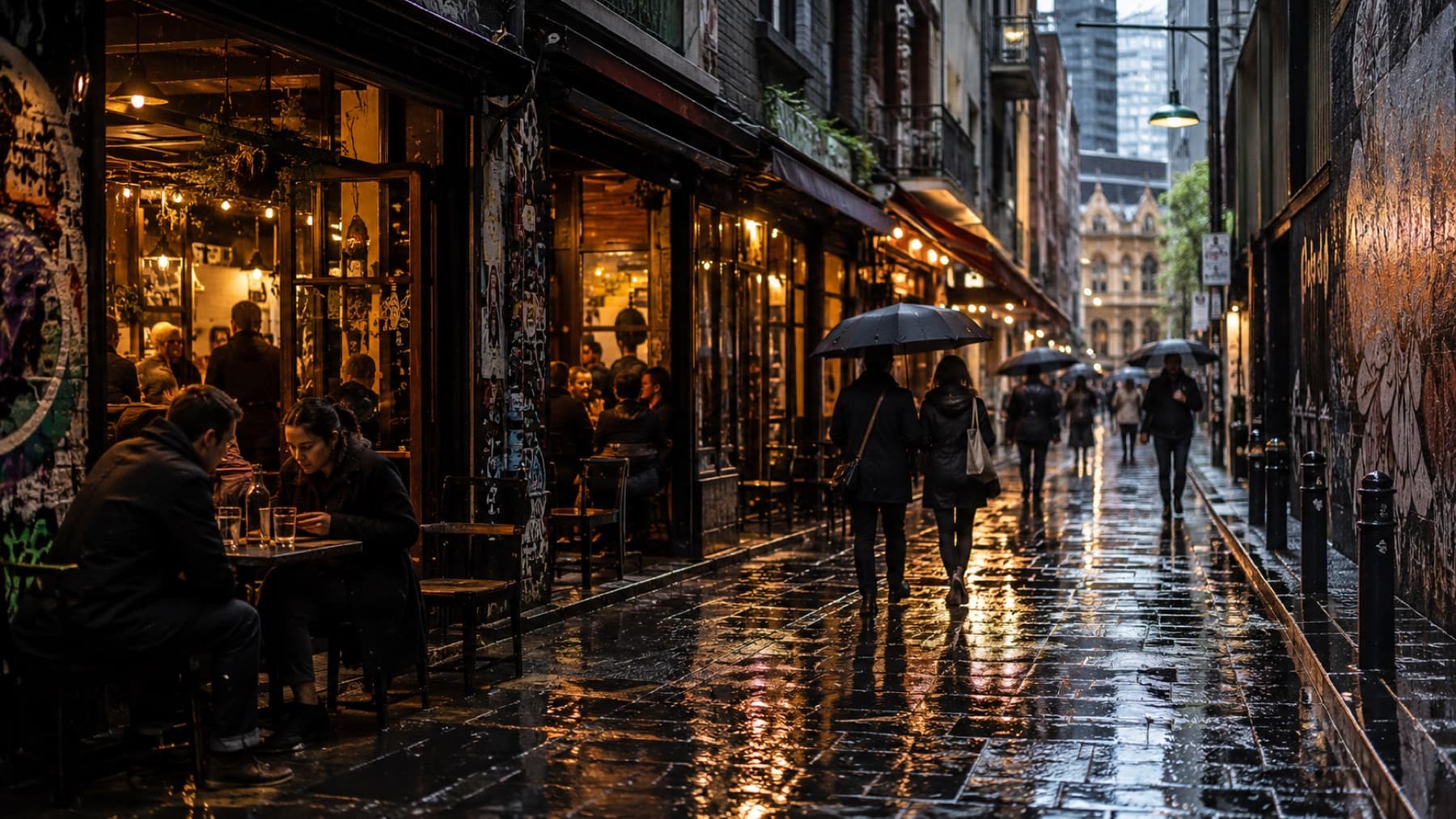
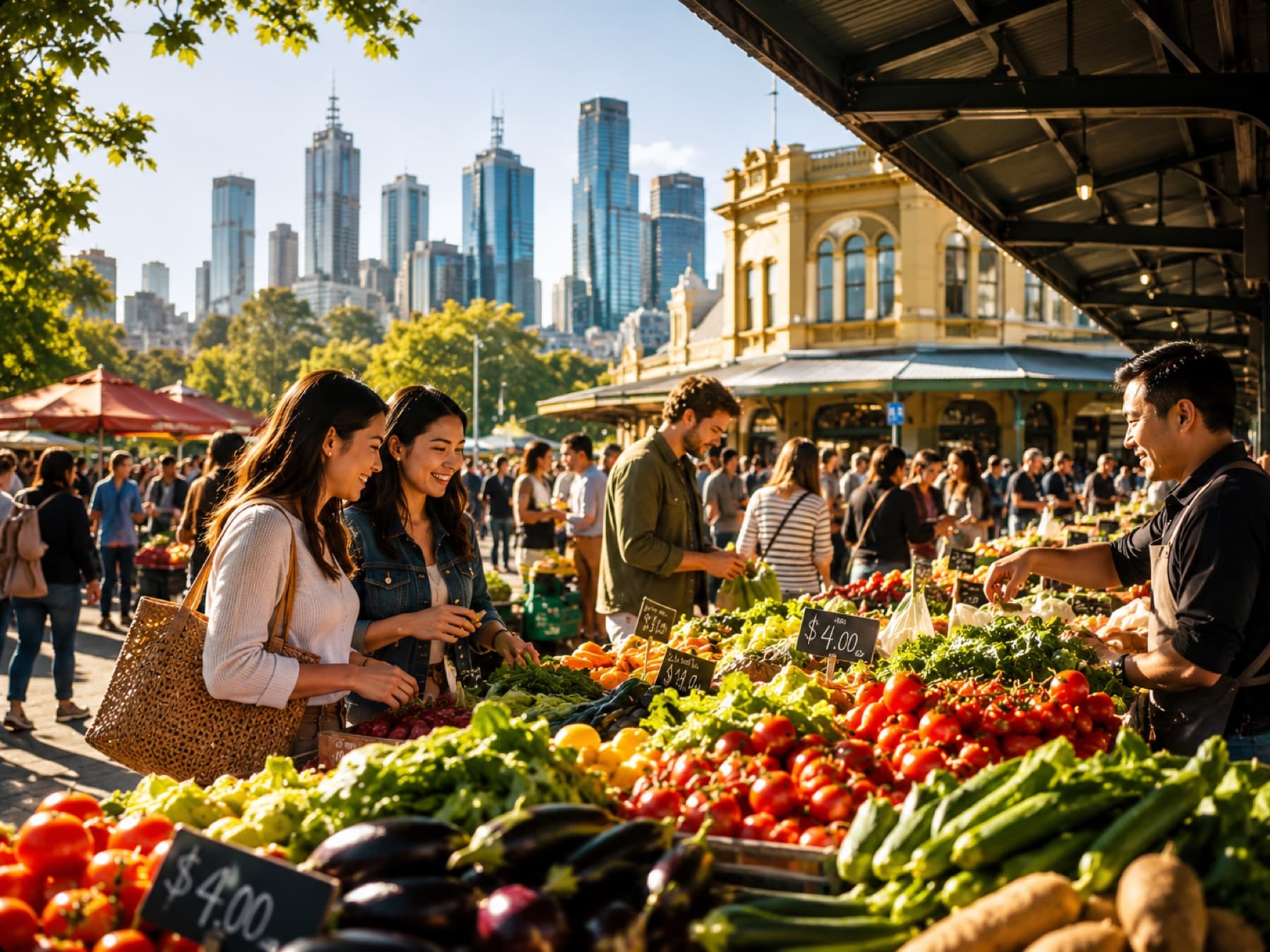
It runs for kilometres: bakeries, kebab houses, op shops, the remnants of the old bridal strip, halal butchers, record shops, hardware stores that have outlived three property booms, and pubs that were old when your grandparents were young. Nothing matches. Everything works. The footpath smells of za'atar in the morning and charcoal by night, and the Edwardian Brunswick Baths on Dawson Street — laps in the heated indoor pool, more than a century of locals doing exactly that — holds down the civic end of the strip near the town hall.
Run it slow, south to north.
The order of the day follows the geography: start polished, end loose. Don't over-plan the middle.
The same day, tuned to your company.
- Don't eat at the Lygon restaurant with the most insistent spruiker. The quality of the pasta is inversely proportional to the effort spent recruiting you.
- Don't drive. Parking on Sydney Road is a contact sport and the trams are doing the work already.
- Don't book dinner before checking gig times. Doors at Howler and the Ballroom set the evening's clock; build around them, not against them.
- Don't rush the handover. The walk or slow tram between Carlton and Brunswick is part of the text, not the bit between chapters.