 Ask Millie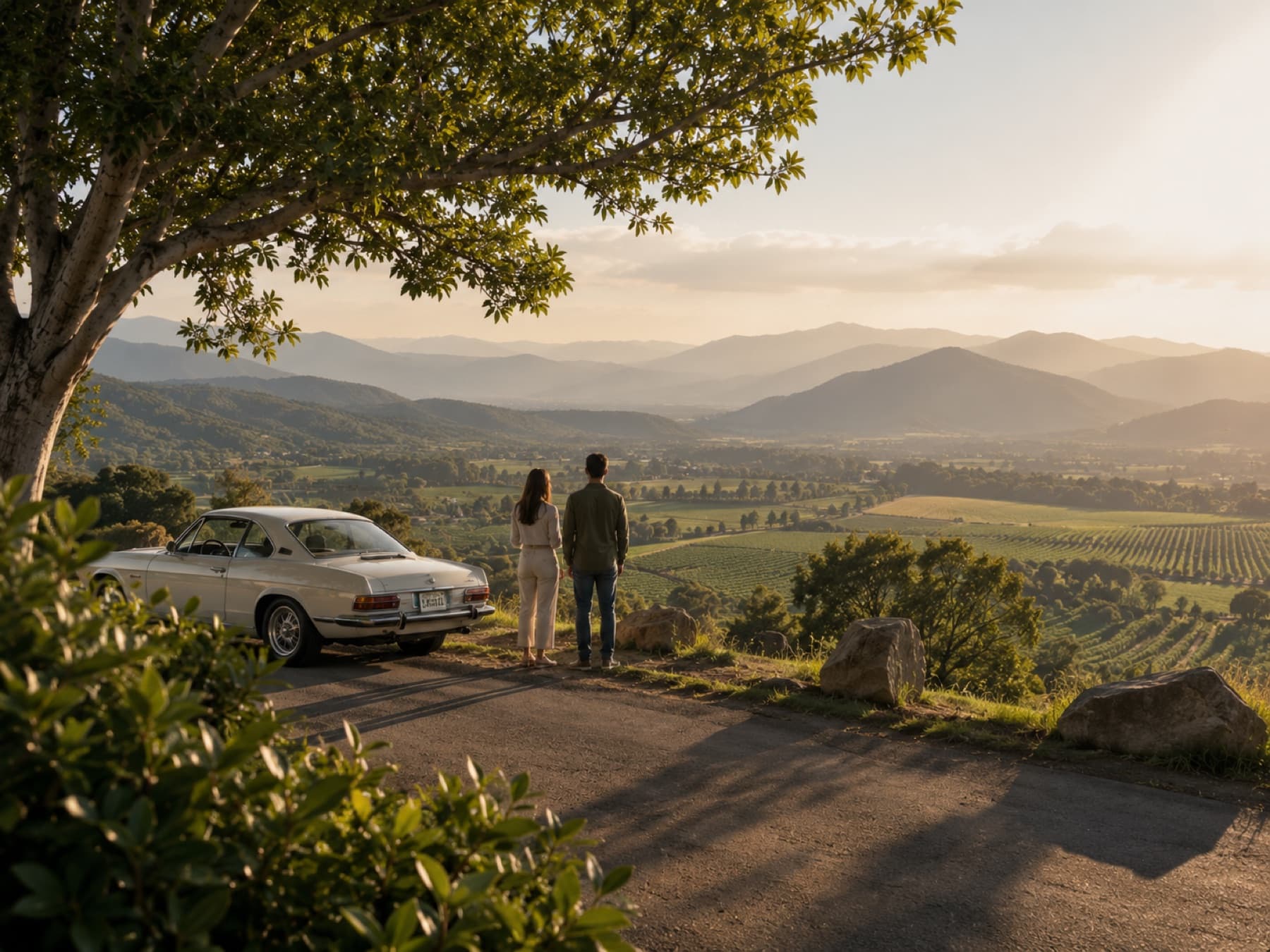
Melbourne is surrounded by good country.
Mountains within an hour. Wine regions within ninety minutes. Ocean, heritage towns, national parks. Most Melburnians live here for years and use almost none of it.
Melbourne sits at the intersection of several different landscapes, and most of the best day trips are within two hours of the CBD. The question is usually which direction to go, not whether there's something worth going to. This guide covers seven destinations with enough detail to make a decision — drive times, season advice, and what to do when you get there.
Most of these trips are significantly better with a car. The no-car caveat section at the bottom covers which ones work on public transport and how.
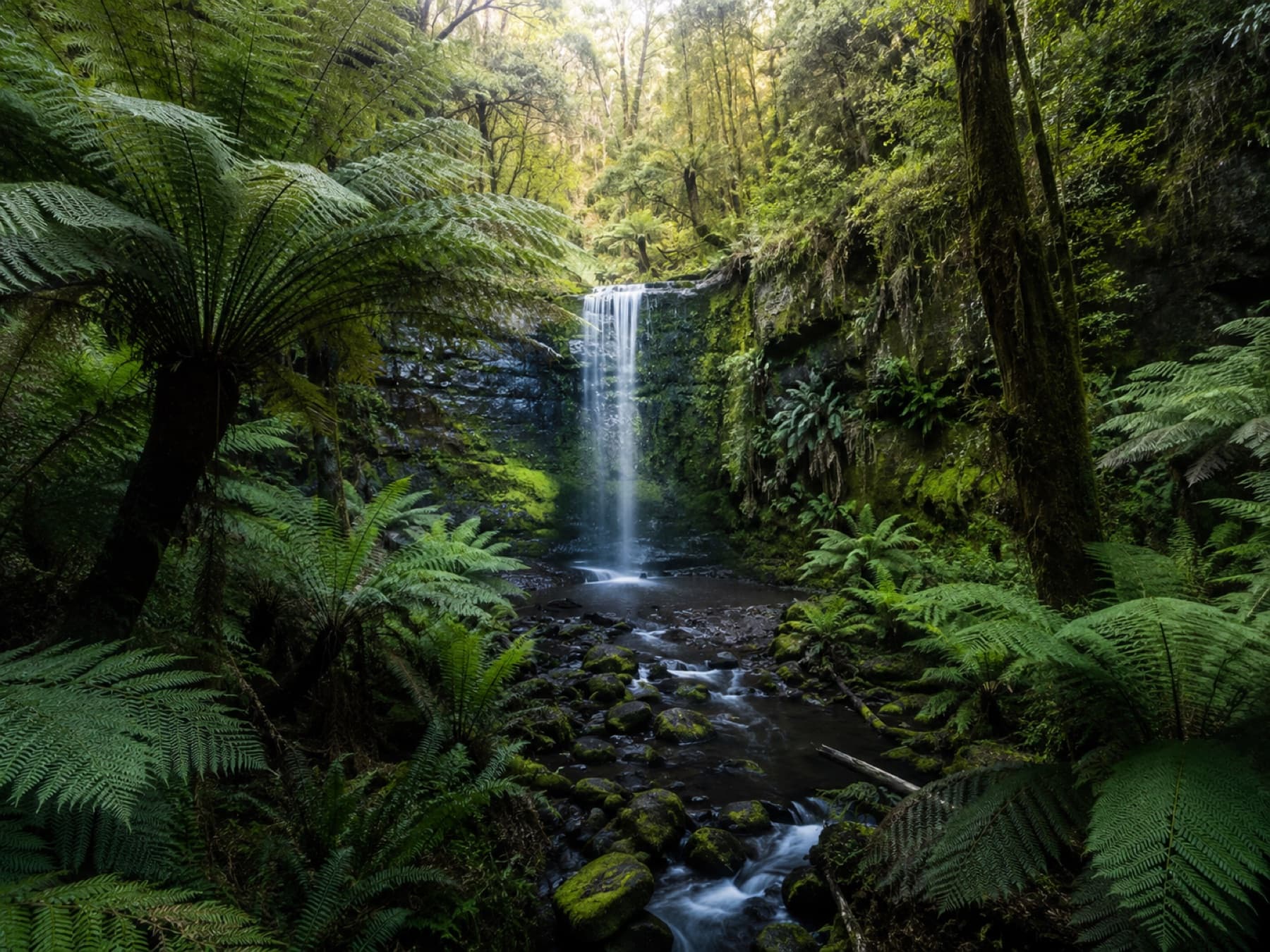
Seven directions, seven kinds of day.
Most Melburnians live here for years and use almost none of it.
No car? Here's what still works.
Most of these trips are better with a car. The Mornington Peninsula, Werribee Gorge, and Geelong/Bellarine all require a car to get the most out of them — the distances between points of interest are too large and the public transport infrequent.
What works without a car:
Best no-car day trip: Geelong on V/Line is the most reliable public transport day trip from Melbourne — frequent trains, walkable destination, proper city to explore. For something with more nature, the Dandenongs on the Belgrave train line works well.
One weekend in this month behaves differently from the rest
Friday 25 September 2026 is a Victorian public holiday — the Friday before the AFL Grand Final — which makes the last weekend of September a three-day one for most of the state. Every direction in this guide gets busier: the Peninsula, the Surf Coast, the Yarra Valley, Daylesford and the Macedon Ranges all fill, and regional accommodation goes long before the week itself.
If you are driving out, the Friday morning and the Saturday morning carry the load. The Friday afternoon is better than it sounds, because a large share of the traffic is heading into the city for the Grand Final Parade rather than out of it. Grand Final Saturday afternoon is the genuinely quiet window — regional Victoria empties into pubs and living rooms from about two o’clock, and a walk that is normally shoulder-to-shoulder is not.
Two practical notes. Public transport, including V/Line, runs a public holiday timetable on the Friday, so a train-based day trip needs the holiday timetable rather than the weekday one. And regional cafes and small-town bakeries — the ones this guide sends you to — are the businesses most likely to close on a public holiday or shut early on Grand Final day. Ring ahead rather than arriving hungry.
The fortnight also sits inside the Victorian spring school holidays, Saturday 19 September to Sunday 4 October, so anything with a playground, a chairlift or a chocolate factory attached is busy for two weeks, not one.