 Ask Millie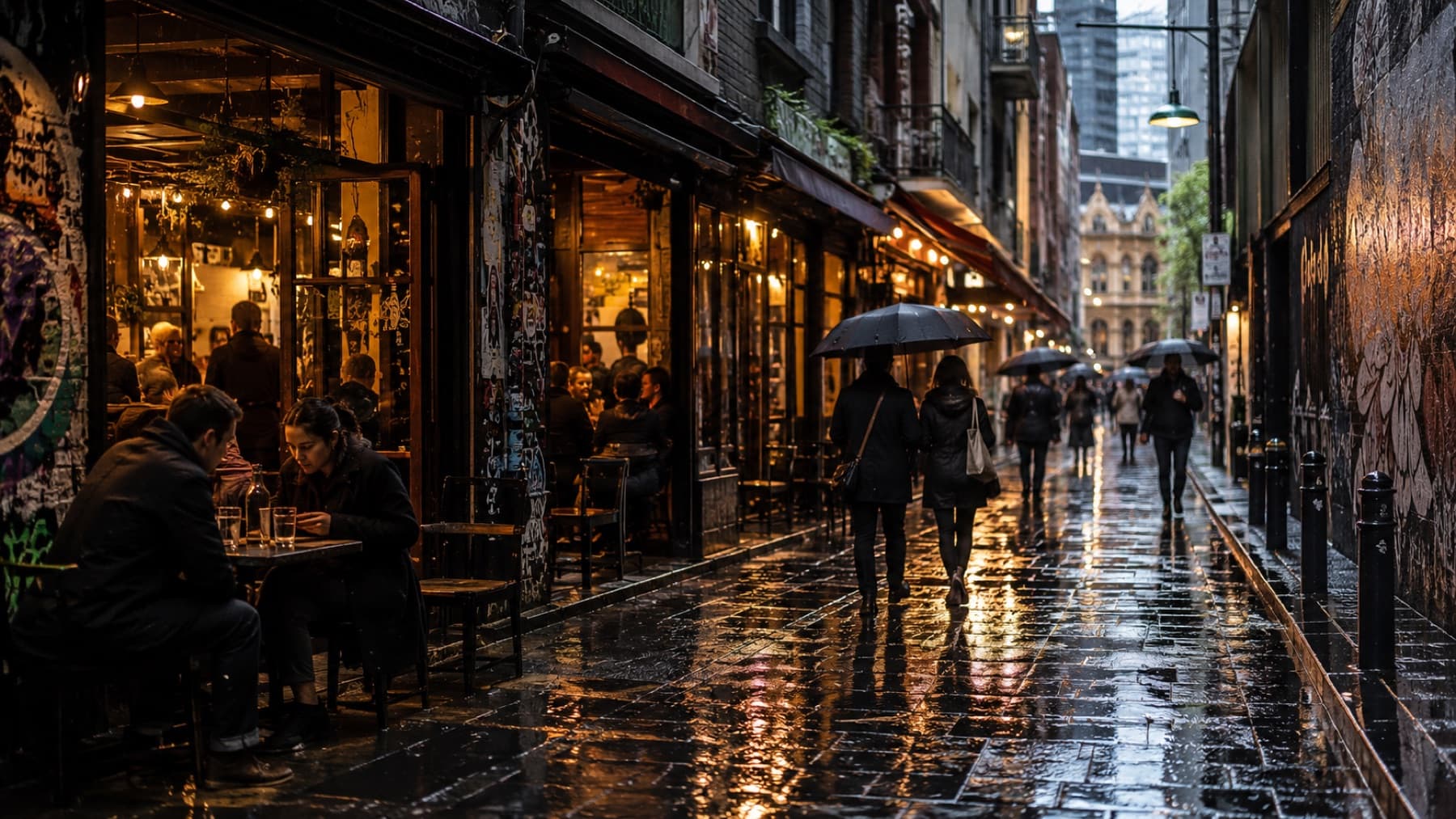
The laneways are the most photographed thing in Melbourne and the least understood. They exist because of a surveyor, a gold rush and a hundred years of a rule that nobody enforced.
The grid, and the gaps in it
Robert Hoddle laid out the city grid in 1837 with enormous blocks and very wide streets. The blocks were so big that the middle of each one was useless — you could not get a cart to it. So the property owners cut their own service lanes through, for deliveries, stables, nightsoil and the back doors of businesses that faced the proper street. The little streets between the big ones, the ones with names like Little Collins and Little Bourke, came from the same problem. None of it was planned as public space. It was the back of the building.
Gold made the city rich fast, so the blocks filled in hard and the lanes stayed. Then the twentieth century emptied the centre out. By the 1980s the CBD was an office district that died at six in the evening, the lanes were service access and rubbish, and the whole idea of living in the city had been given up on.
The back of the building became the front of the culture, because the front was too expensive.
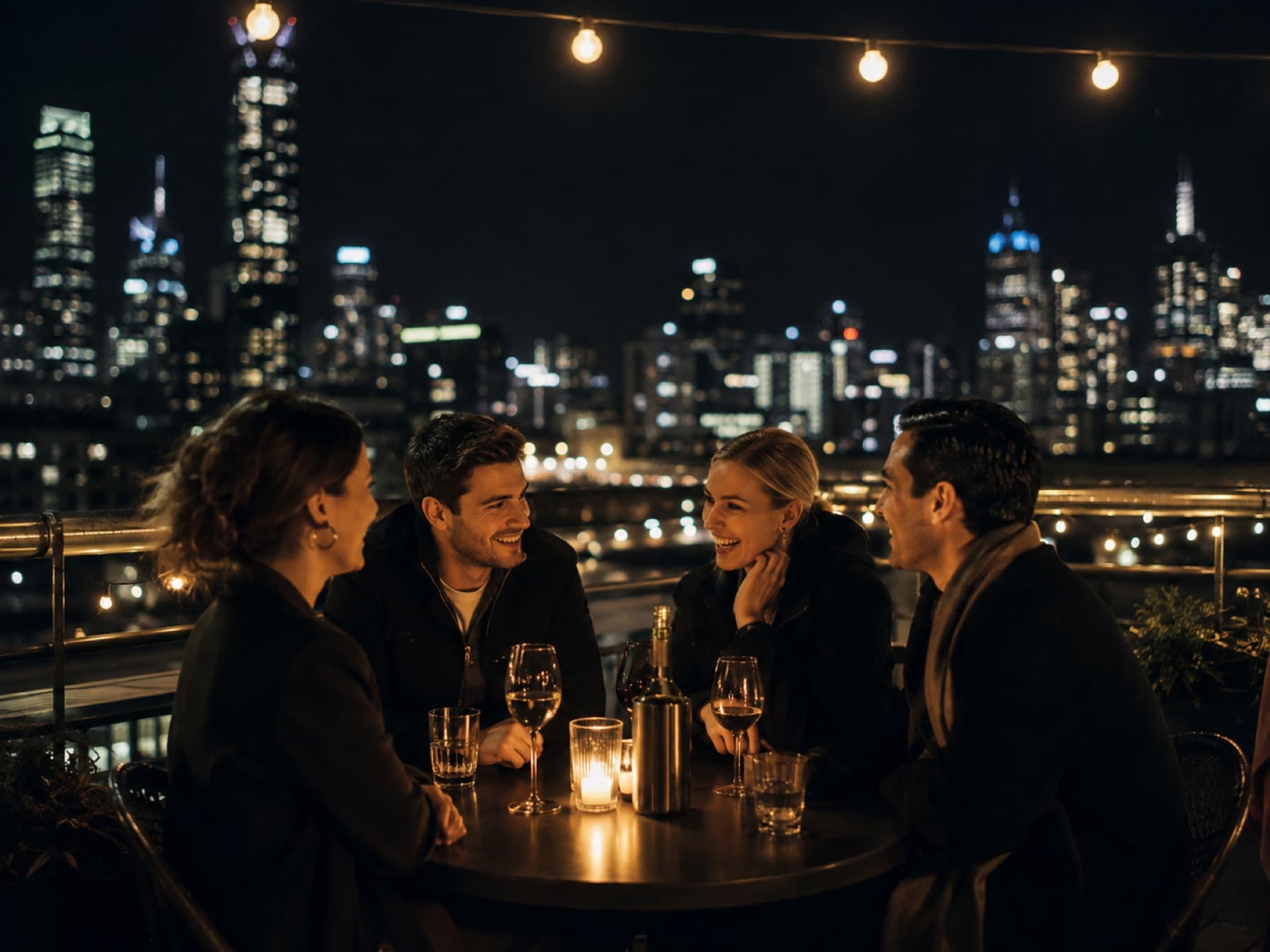
What turned it around was cheap upper floors and a change in the liquor laws. From the late 1980s the council pushed hard to get residents back into the centre, and in the 1990s Victoria made small bar licences achievable for people without a fortune. Suddenly a room above a laneway with no street frontage and no signage was a viable business. The rent was low precisely because nobody could see the door.
Why that history is still the instruction
This is why the good laneway places still look like nothing from the outside. It is not a marketing pose. It is the original economics preserved: the frontage costs money, the door up the back does not, and a place that has to be found is a place that trusts word of mouth. When you see an unmarked door, a stair, and a room three floors up, you are looking at a 1990s licensing decision.
The graffiti runs on the same logic. Lanes were unsupervised back-of-house space, so they got painted. Hosier and AC/DC Lane are the famous ones, and they are now essentially a managed attraction, which is fine but means the work there is the least surprising in the city. The interesting walls are in the lanes nobody has named yet, and they change every few weeks, which is the point of the form.
How to walk them
Do not go to a list of laneways. Pick a corner — Degraves and Flinders Lane, or the top of Little Collins near Spring Street — and then take every turn that looks like it does not go anywhere. That is the whole technique. The grid is small enough that you cannot get lost, and half the doors will be closed, which is normal.
Go on a weekday evening rather than a Saturday afternoon. And go when it is raining, when the bluestone goes black and shiny and every lit window matters. It is the only weather in which the city photographs the way it actually feels.